
31°C, New York


Notification products, updates
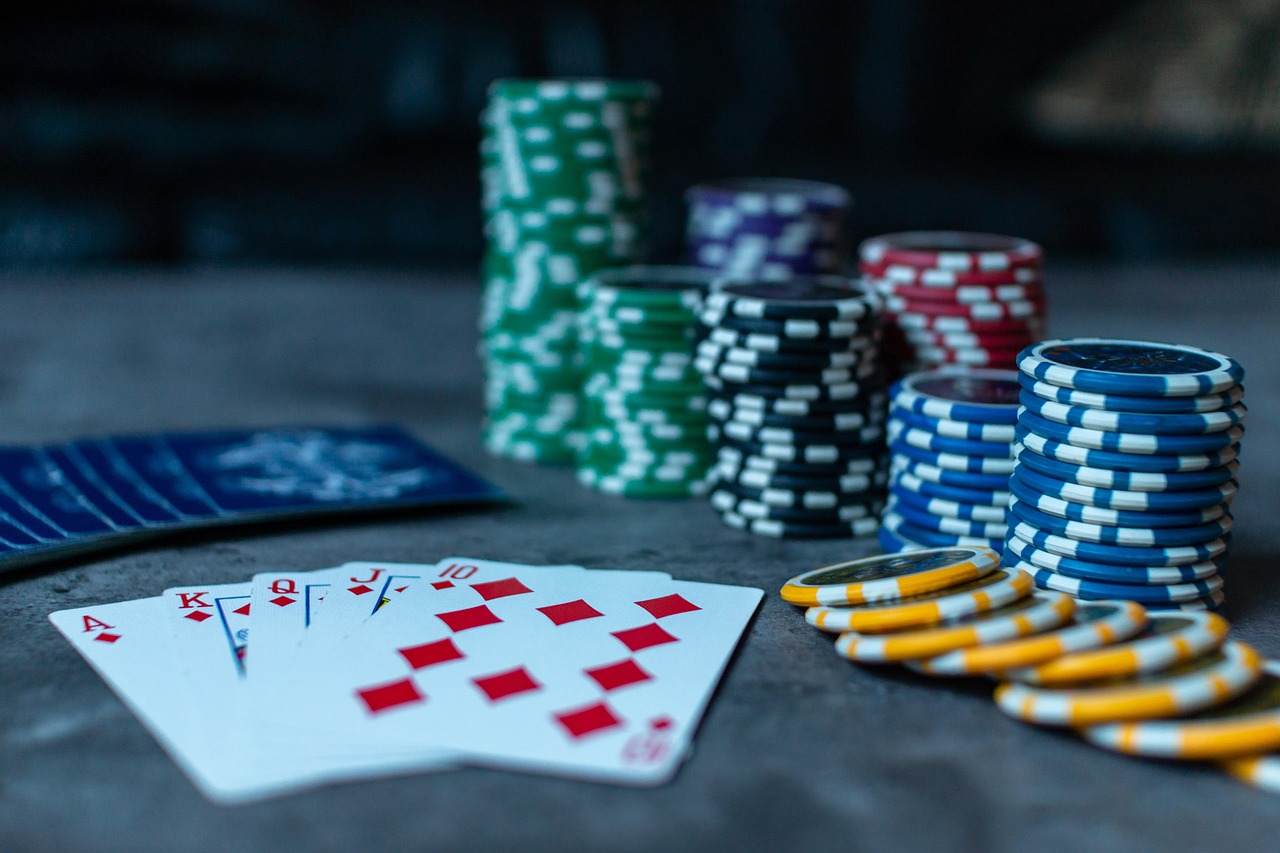
Every slot player knows the feeling. You've spun for twenty minutes with nothing bigger than a 2x return, and then something twitches in your stomach: it's due. Time to raise the stake, chase the bonus, ride the wave. Here's the uncomfortable truth a million losing sessions have already proven: that machine doesn't know you exist. The random number generator spinning outcomes behind the screen has no memory of your last hundred spins and no opinion about your destiny. And yet — the people who last in this industry aren't the ones who ignore psychology. They're the ones who understand it, on both sides of the screen.
That double-sided game is what makes iGaming endlessly fascinating and occasionally brutal. Let's talk about how it actually works, from the math under the hood to the moments where human nature costs you more than the house edge ever could.
The first number every new player should tattoo on their brain is Return to Player, or RTP. A slot listed at 96% RTP is telling you it returns 96 cents for every dollar wagered — over millions of spins, aggregated across every player who ever touches it. It is absolutely not saying your session will return 96%.
Volatility is the piece most people skip, and it matters just as much. High-volatility slots like the brutal, beloved classics can pay essentially nothing for an hour and then hand you 5,000x in a single bonus round. Low-volatility games pay small amounts constantly, which feels comforting and quietly drains your balance with less drama. Neither is better; they're different tools. A 99% RTP game can bankrupt you faster than an 88% one if the variance lands badly and your bankroll isn't sized for it.
Pro tip that sounds boring but saves bankrolls: for high-volatility slots, plan on a session stake of at least 200–300x your spin size. If a bonus round is what pays you, you need enough bullets to reach it.
Slots are pure chance. Poker is the opposite, and that's why the same names keep winning tournaments decade after decade. Texas Hold'em and Omaha reward reading ranges, calculating pot odds, and exploiting player tendencies. A player who folds correctly for five orbits will crush a loose-aggressive fish who calls with anything, even if the fish wins tonight.
Blackjack sits in between: the house edge can shrink from roughly 2% down to under 1% (even leaning toward 0.5%) with basic strategy, and the value shifts further depending on rule variations like whether the dealer hits soft 17, whether doubling is allowed after splitting, and payout on a natural. Counting cards isn't illegal — it's just math and attention — but casinos can and do bar counters, which tells you everything about how well it works.
Betting markets are the other skill zone. In sports betting, the closing line is close to the wisest collective guess humanity has produced about an outcome. Beating it consistently means either superior information or a stale line at a soft book — and it's a grind, not a lottery ticket. Anyone selling you a guaranteed system is selling a story.
Here's a table worth internalizing, roughly: We found สล็อตเว็บตรง to be a handy reference here.
That blackjack-and-video-poker cluster is the sliver of the casino floor where a disciplined player loses very slowly, or with promotions and comps, occasionally even comes out slightly ahead. The entire rest of the floor is entertainment, and should be budgeted as such.
Games like craps and baccarat have such low edges that, mathematically, a patient bettor can play for a very long time. But virtually nobody does. Why? Because variance is seductive. A slot machine's win of 50x feels like confirmation. The brain releases the same dopamine chemistry whether the win came from skill or pure luck — which is why slot design, with its near-misses and cascading animations, is genuinely a marvel of behavioral engineering.
Meanwhile, bankroll math is unforgiving. Lose 50% of your balance and you need a 100% gain to get even. Lose 80% and you need 400%. The asymmetry is brutal. This is where responsible gambling stops being a slogan and becomes arithmetic: fixed limits before you sit down, time checks, and walking away after a target win — not just a target loss.
If two or more of those ring true, the honest move is a hard stop and, if needed, a self-exclusion tool from the operator — most reputable platforms offer deposit limits, loss limits, and cooling-off periods that are legally enforced once activated.
Because entertainment value is real. Nobody calculates expected value before buying a cinema ticket, and a night at the tables with a strict budget can deliver more thrill than most things costing a fraction of the stakes. The players who enjoy iGaming long-term share certain habits, and they're almost boringly consistent:
The industry will keep evolving — crash games, live dealer tables streamed from studios, in-play micro-betting on everything from football corners to virtual races. The math under all of it stays the same, and so does the one variable that actually decides whether iGaming is a pastime or a problem: you. The RNG doesn't care about your gut feeling. But a player who respects the numbers, the variance, and their own psychology can sit at the table for a long time without ever being owned by it.

Amethyst Haven shares practical, down-to-earth guidance on crystal healing and mindful wellbeing for readers across the UK.
Stay Tuned With Updates


Leave A Comment